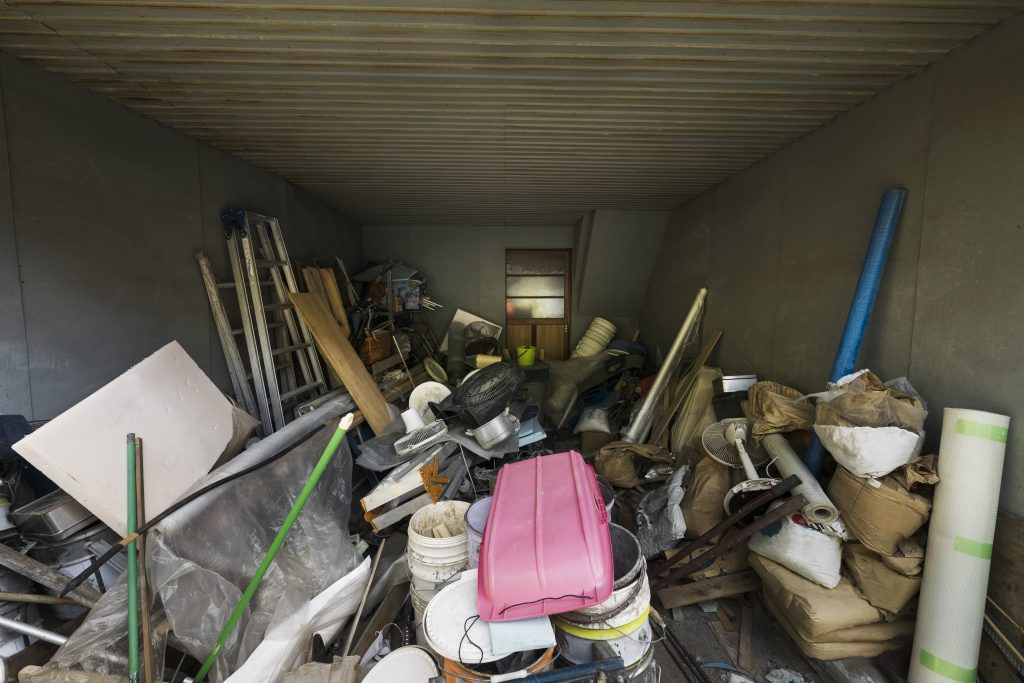
To achieve fast and efficient junk removal, start by applying the 90/90 rule. Discard items that haven’t been used in the last 90 days and won’t be needed in the next. Embrace the one-in, one-out principle to manage new acquisitions and reduce clutter. Sort belongings into categories: keep, donate, recycle, and throw away. Establish a time limit for each decluttering session to maintain focus and minimize distractions. Finally, consider hiring professional services for streamlined junk removal. Their expertise can save time and guarantee responsible disposal of items. There are additional strategies that can further enhance this process.
Key Takeaways
- Apply the 90/90 Rule to quickly identify items to remove that you haven’t used recently and won’t need soon.
- Utilize the One-In, One-Out Principle to maintain a clutter-free space by removing one item for each new acquisition.
- Sort belongings into clear categories: keep, donate, recycle, and throw away to streamline the decluttering process.
- Set a time limit for decluttering sessions to enhance focus and prevent feeling overwhelmed, making the process more efficient.
- Consider hiring professional junk removal services for expert assistance in clearing out items quickly and responsibly.
The 90/90 Rule
In the domain of effective decluttering, the 90/90 Rule serves as a practical guideline to streamline the decision-making process regarding possessions. This rule stipulates that if you haven’t used an item in the last 90 days and do not foresee using it in the next 90 days, it’s time to let it go. By applying this principle, individuals can experience a significant reduction in clutter, fostering a more organized and serene living environment.
Implementing the 90/90 Rule aligns seamlessly with fast junk removal strategies, as it encourages decisive action in evaluating the value of belongings. By determining what truly contributes to your life, you free up space both physically and mentally. This approach enhances productivity since a clutter-free space allows for heightened focus and creativity, essential elements in today’s fast-paced world.
For those seeking efficient debris removal or quick cleanout services, adhering to the 90/90 Rule can simplify the process. It helps in identifying which items should be discarded or donated, making the task less overwhelming. When the need for same-day junk hauling arises, having already categorized your items using this rule can expedite the removal process.
Incorporating these clutter removal tips into your routine not only promotes sustainable living but also elevates the overall appeal of your home. Embracing the 90/90 Rule can therefore serve as a transformative step toward achieving the freedom and clarity you desire in your living space.
One-In, One-Out
The “One-In, One-Out” principle serves as a powerful strategy for maintaining a clutter-free environment. This straightforward approach requires that for every new item brought into your space, an old item must be removed. By adopting this habit, you inherently limit the accumulation of possessions, which can lead to clutter and, ultimately, to stress and anxiety.
Incorporating the “One-In, One-Out” rule not only promotes a more organized living space but also enhances your mental clarity and productivity. When your environment is free from excess, you can focus more effectively on the tasks at hand, fostering creativity and innovative thinking. This principle encourages you to be more discerning about your purchases, prompting a mindful approach to consumerism that aligns with values of sustainable living.
Moreover, the “One-In, One-Out” strategy can serve as a catalyst for regular decluttering sessions. As you actively assess your belongings, you may discover items that no longer serve a purpose or bring joy. This ongoing cycle of evaluation and removal guarantees that your space remains a sanctuary rather than a storage unit.
Ultimately, adopting the “One-In, One-Out” principle empowers you to create an environment that reflects your values and aspirations. It liberates you from the burden of excess, allowing for a more serene and functional living space.
Embrace this practice for ultimate freedom from clutter, and enjoy the benefits of a well-organized, peaceful abode.
Sort Items into Categories

Sorting items into categories is a critical step in the decluttering process that simplifies decision-making and enhances organization. By systematically classifying your belongings into four distinct groups—keep, donate, recycle, and throw away—you gain clarity on what truly occupies your space and mind.
This categorization not only streamlines the process but also empowers you to make informed choices about what deserves to stay in your life.
When sorting, focus on keeping only those items that serve a purpose or hold significant sentimental value. Items that no longer resonate with your current lifestyle can be designated for donation, contributing to a sense of community while freeing up space.
Recycling is another essential aspect; responsibly disposing of materials like metal, plastic, and paper promotes sustainable living and reduces waste.
Additionally, broken or unusable items should be discarded immediately to avoid clutter accumulation. This decisive action not only clears your physical space but also alleviates mental stress, allowing for greater focus and creativity in your environment.
Set a Time Limit
To enhance focus and efficiency during the decluttering process, setting a time limit for each task or room is essential. This approach not only prevents overwhelm but also cultivates a sense of urgency that can notably boost productivity. By allocating specific time slots—such as 30 minutes for a wardrobe or an hour for a garage—you create a structured environment that encourages decisive action.
When you set a time limit, you are more likely to maintain concentration and avoid distractions. This focused effort can transform a challenging task into manageable segments, enabling you to make swift decisions about what to keep, donate, recycle, or discard.
Additionally, this method allows for regular breaks, which are vital in sustaining motivation and energy levels throughout the decluttering journey.
To track your progress effectively, consider using a checklist for each space. This will not only help you stay organized but also provide a sense of accomplishment as you check off completed tasks.
Space out your decluttering sessions to prevent fatigue, and be realistic about what you can achieve within your designated timeframe.
Ultimately, incorporating time limits into your decluttering strategy empowers you to reclaim your space more swiftly, fostering a liberating environment that enhances your overall well-being.
Choosing Professional Services
When pondering decluttering, selecting professional junk removal services can greatly streamline the process and alleviate the burden of managing large or cumbersome items. These services offer a multitude of advantages, from industry expertise to efficient execution, ultimately freeing you to focus on what truly matters in your life.
Choosing the right service involves evaluating their reputation, pricing, and responsiveness. A reputable provider will have a history of satisfied clients, transparent pricing, and effective communication. Here’s a concise comparison of key factors to reflect upon:
| Factor | Importance | Considerations |
|---|---|---|
| Reputation | Builds trust and confidence | Check reviews and testimonials |
| Pricing | Guarantees value for your investment | Look for transparency and no hidden fees |
| Communication | Enhances collaboration and satisfaction | Confirm timely updates and responsiveness |
Engaging professionals can save you time and energy, which is invaluable during the decluttering process. Their proven track record not only guarantees efficient junk removal but also fosters long-term partnerships based on trust and reliability. Furthermore, many professional services are environmentally conscious, guaranteeing that recyclable and reusable items are handled responsibly.
Frequently Asked Questions
What Are Signs That I Need to Declutter My Space?
Signs indicating a need to declutter include persistent stress, difficulty finding items, overcrowded spaces, and reduced functionality. Observing these cues can considerably enhance mental clarity, productivity, and overall well-being by creating a more organized environment.
How Often Should I Schedule Decluttering Sessions?
Scheduling decluttering sessions every three to six months is advisable, ensuring a sustainable approach to maintaining order. Additionally, consider more frequent sessions in response to lifestyle changes or significant acquisitions to prevent overwhelming clutter buildup.
Can Decluttering Improve My Mental Health?
Decluttering can greatly enhance mental health by reducing stress and anxiety, promoting mental clarity, and fostering a sense of control. A clean, organized environment contributes to improved well-being and encourages positive, creative thought processes.
What Items Should I Never Throw Away?
Certain items should be preserved, such as sentimental keepsakes, important documents, family heirlooms, essential electronics, and items with significant value. Assess each piece’s relevance to your life before making decisions on retention or disposal.
How Do I Handle Sentimental Items During Decluttering?
Handling sentimental items during decluttering requires a thoughtful approach. Consider creating a memory box, photographing items, or establishing a “favorites” category to retain meaningful connections while still promoting a clutter-free environment. Prioritize emotional significance over quantity.