Before relocating, efficient junk removal can greatly ease the moving process. Start by evaluating your belongings, sorting them into categories: keep, donate, sell, and discard. Donate gently used items to nonprofits or consider hosting a garage sale to eliminate unwanted possessions. Don’t forget to tackle storage areas for hidden clutter. Assess the necessity of large items; consider donating or selling them to lighten your load. Finally, optimize packing by using sturdy boxes and clear labels. Streamlining these tasks will not only declutter your space but also facilitate a smoother shift. More insights await to enhance your moving experience.
Key Takeaways
- Sort items into keep, donate, sell, and discard categories to streamline the junk removal process before moving.
- Tackle one room at a time to avoid feeling overwhelmed and ensure thorough decluttering.
- Use online platforms or garage sales to sell usable items, helping cover moving costs and reducing clutter.
- Consider hiring a professional junk removal service for oversized or damaged items that are difficult to manage on your own.
- Donate gently used items to local charities to positively impact the community while simplifying your move.
Evaluate Your Belongings
How do you determine what to keep when preparing for a move? The process of evaluating your belongings is essential for achieving a sense of freedom as you shift to a new home.
Begin by sorting items into four categories: keep, donate, sell, and discard. This method not only aids in decluttering before a move but also empowers you to retain only those possessions that truly add value to your life.
Assess each item’s usefulness, sentimental value, and condition. Ask yourself whether it merits a place in your new home or if it would be better suited for moving junk removal.
An important part of this evaluation process is understanding the worthiness of bringing items along, as a streamlined selection will simplify your moving day junk hauling.
Effective decluttering means letting go of excess belongings, allowing you to focus on what truly matters. Implement pre-move cleanout tips by tackling one room at a time, ensuring you’re thorough and deliberate in your decisions.
If you come across items that no longer serve you, consider junk removal for relocation to prevent unnecessary clutter from following you into your new space.
Ultimately, this thoughtful approach to evaluating your belongings not only enhances your moving experience but also fosters a fresh start in your new environment, filled with only those items that resonate with your vision of freedom and possibility.
Donate or Sell Usable Items
Often, the decision to donate or sell usable items can greatly ease the moving process while benefiting others in the community. By parting with items you no longer need, you not only declutter your space but also support local charities or make some extra cash through sales. This approach aligns with a desire for freedom, allowing you to let go of the past and embrace new beginnings.
Consider the following options for your usable items:
| Action | Description | Benefits |
|---|---|---|
| Donate | Give gently used items to local charities, shelters, or nonprofits. | Helps those in need and provides a sense of fulfillment. |
| Garage Sale | Organize a sale at your home to sell unwanted items to neighbors. | Quick cash and the chance to connect with your community. |
| Online Sales | List items on platforms like Craigslist or Facebook Marketplace. | Wider reach and potential for higher sales. |
When donating, verify that the items are in good condition, as many organizations have specific requirements. For selling, consider advertising on local online platforms to maximize visibility. This not only helps in recouping moving expenses but also allows you to connect with others who may appreciate your belongings. Engaging in these activities can transform the often challenging process of moving into an opportunity for generosity and community engagement. Embrace this chance to simplify your move and make a positive impact.
Dig into storage rooms

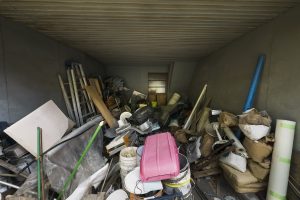
Storage rooms often become the final resting place for forgotten items, accumulating dust and memories over the years. As you prepare for your move, it’s vital to confront these spaces and examine their contents. Set aside dedicated time to sift through each item, determining its usefulness, sentimental value, and condition.
Items that have remained untouched for years may no longer hold the same relevance in your life, making this an opportune moment to let go.
Begin by categorizing your belongings into four groups: keep, donate, sell, and discard. Items that no longer serve a purpose or spark joy should be considered for donation or disposal. Local charities often welcome gently used items, while online platforms provide avenues for selling items that may still hold value.
This process not only clears out your storage but also creates opportunities to help others or recoup some of your moving costs.
As you dig deeper, remain mindful of the emotional ties you may have to certain possessions. Acknowledge these feelings, but recognize that moving to a new space is a chance for renewal and freedom from clutter.
By discarding or donating unnecessary items, you pave the way for a fresh start in your new home. Ultimately, this decluttering journey enhances your moving experience, allowing you to shift to a more organized, liberated living environment.
Embrace this opportunity to lighten your load and move forward unencumbered.
Get rid of large items
Getting rid of large items can greatly streamline your moving process and reduce costs associated with transporting unnecessary belongings. As you prepare for your relocation, it is crucial to evaluate which oversized items are truly needed in your new space.
Start early by setting aside time to identify furniture and belongings that may not fit or serve a purpose in your new home. Consider purging old furniture that you no longer use or items that have become burdensome. This not only lightens your load but also offers a sense of liberation as you let go of the past.
If the items are still in good condition, explore options for donation to local charities or shelters, allowing others to benefit from your generosity. Alternatively, organizing a garage sale or listing items online can help recoup some moving expenses while providing an opportunity for a new owner to enjoy them.
Additionally, if you find that large items are too cumbersome to manage on your own, hiring a professional junk removal service can simplify the process. Services like EFast offer convenient scheduling and responsible disposal, alleviating the stress often associated with moving day.
Optimize Packing Efficiency
To guarantee a smooth and efficient moving process, enhancing packing efficiency is essential. This entails a strategic approach that not only boosts the organization of your belongings but also reduces costs and environmental impact. By employing effective packing techniques, you can streamline your moving experience, ensuring a carefree shift to your new home.
A key aspect of enhancing packing is the use of appropriate materials and thorough labeling. This allows for easy identification during unpacking and minimizes the risk of damage. Additionally, organizing items by room can greatly simplify the entire process. Below is a table illustrating packing strategies that promote efficiency:
| Packing Strategy | Benefits |
|---|---|
| Use sturdy boxes | Protects items during transit |
| Label boxes clearly | Facilitates quick unpacking |
| Organize by room | Streamlines the moving process |
| Fill gaps with padding | Prevents damage to fragile items |
Moreover, adopting eco-friendly packing materials contributes to sustainability and enhances your brand reputation if you’re moving a business. Right-sizing packaging to fit your belongings minimizes waste while ensuring peak protection. Leveraging technology, such as data-driven packing decisions, can further refine your strategy based on shipment patterns.
Ultimately, enhancing packing efficiency allows you to embrace freedom during your move. By reducing excess and ensuring that every item serves a purpose, you set the stage for a fresh start in your new environment.
Frequently Asked Questions
How Do I Choose Between Donating and Selling Items?
When deciding between donating and selling items, consider their condition and market demand. Donating benefits those in need, while selling can recoup costs. Evaluate personal values and community impact to guide your choice effectively.
What Items Are Typically Not Accepted by Donation Centers?
Donation centers typically do not accept items such as hazardous materials, broken or unusable goods, mattresses, large appliances, or items lacking safety certification. Always check specific guidelines of your local donation center for additional restrictions.
How Can I Find Local Junk Removal Services?
To locate local junk removal services, utilize online platforms such as Google or Yelp, seeking reviews and recommendations. Additionally, inquire within community groups or forums for trusted providers that align with your specific needs.
Are There Tax Benefits for Donating Items?
Donating items can yield tax benefits, as contributions to qualifying charities may be deductible. Guarantee proper documentation, including receipts, to substantiate claims. Consult a tax professional to maximize potential deductions based on individual circumstances.
What Should I Do With Hazardous Materials?
When dealing with hazardous materials, consult local waste management guidelines. Identify designated disposal sites and collection days. Adhere to regulations to guarantee safe handling while minimizing environmental impact and promoting responsible waste management practices.